The automotive industry has always been at the forefront of creative marketing, but today’s landscape demands fresh approaches that cut through digital noise and capture attention in memorable ways. As consumers become increasingly immune to traditional advertising, forward-thinking brands are discovering that the most effective strategies often involve transforming everyday experiences into brand-building opportunities.
Mobile Advertising That Follows Your Audience
One of the most underutilized yet powerful marketing tools is literally rolling down the street right now. Fleet vehicles, delivery cars, and even employee automobiles represent untapped billboard space that reaches audiences traditional advertising might miss. Unlike stationary billboards that people pass quickly, vehicle-based advertising travels through diverse neighborhoods, sits in parking lots during peak shopping hours, and appears at traffic lights where drivers have time to actually read the message.
Companies are increasingly recognizing that professional vehicle graphics can turn their entire fleet into a mobile marketing force. Whether it’s a subtle brand presence or bold, eye-catching designs, wrapped vehicles generate impressions throughout the day without recurring media costs. Businesses like See Near Me specialize in transforming ordinary vehicles into attention-grabbing brand ambassadors through expert wrapping and window treatments that maintain professional appearance while maximizing visibility.
Creating Experiences Beyond the Showroom
Modern car marketing extends far beyond glossy photos and technical specifications. Successful brands create immersive experiences that let potential customers interact with vehicles in unexpected contexts. Pop-up events in urban centers, participation in community festivals, and partnerships with local businesses bring cars directly to where people live and socialize.
These experiential strategies work because they remove the pressure associated with traditional dealership visits. People can explore features, ask questions, and develop familiarity with a brand in relaxed settings. The key is authenticity—events should feel like genuine community engagement rather than thinly veiled sales pitches.
Leveraging User-Generated Content
Nothing sells a vehicle quite like genuine enthusiasm from real owners. Smart automotive brands encourage customers to share their experiences through social channels, creating organic content that resonates more powerfully than any professional advertisement. Road trip photos, modification showcases, and everyday lifestyle shots featuring vehicles build authentic narratives that potential buyers can envision themselves part of.
The beauty of this approach lies in its scalability and credibility. When dozens or hundreds of owners voluntarily showcase their vehicles, it creates a compelling argument that transcends marketing speak. Brands can amplify this content through features, contests, and community galleries that celebrate customer stories.
Strategic Partnerships and Cross-Promotion
Automotive marketing becomes exponentially more effective when brands align with complementary businesses and lifestyle categories. Partnerships with outdoor retailers, adventure tour companies, eco-friendly organizations, or tech startups create natural contexts for showcasing vehicles to pre-qualified audiences who already align with brand values.
These collaborations work both ways. A rugged vehicle brand partnering with a camping equipment company gains access to adventure enthusiasts, while the equipment company associates itself with the freedom and capability the vehicle represents. Co-branded events, shared content, and mutual promotion expand reach while adding credibility through association.
Visual Transformation as Brand Statement
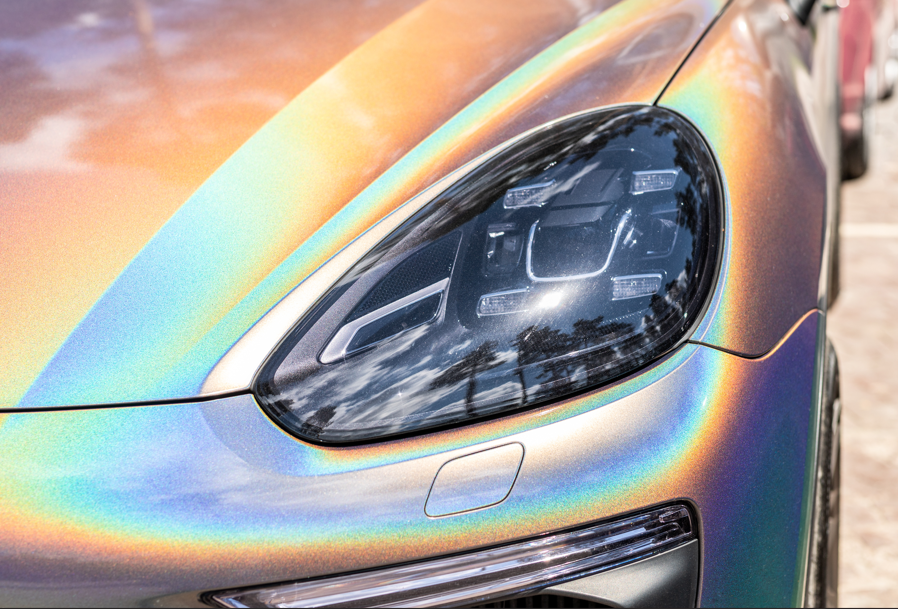
The appearance of vehicles—whether in marketing materials or on the road—communicates brand identity instantly. Progressive companies understand that visual presentation goes beyond paint color. Strategic use of window treatments, for instance, can create sleek, modern aesthetics while serving practical purposes. Tinted windows suggest sophistication and privacy, qualities that many premium brands want to convey.
Professional services that handle these visual elements understand how design choices impact brand perception. The right modifications can transform a standard vehicle into something that turns heads and starts conversations, effectively making every outing a marketing opportunity.
Local SEO and Geographic Targeting
While global reach matters, automotive marketing often succeeds or fails at the local level. Optimizing for geographic searches ensures that when potential customers look for solutions in their area, your brand appears prominently. This hyperlocal approach acknowledges that people prefer doing business with nearby providers who understand their community and can offer immediate service.
Location-based marketing also enables targeted messaging that addresses regional preferences, climate considerations, and local lifestyle factors that influence vehicle choices.
Measuring What Matters
The most innovative marketing strategies remain grounded in measurable outcomes. Today’s tools allow brands to track not just impressions and clicks, but actual engagement patterns, conversion paths, and long-term customer value. This data-driven approach enables continuous refinement, ensuring marketing budgets flow toward tactics that genuinely drive visibility and sales.
The automotive brands that thrive understand that innovation isn’t about chasing every trend—it’s about identifying authentic ways to connect with audiences where they are, creating memorable impressions that translate into lasting brand relationships.
 Businora
Leave a comment